
Sky Tonight - Star Gazer Guide
Vito TechnologyBooks & Reference
4.72.33K Reviews
- Version
- 2.5.3
- Installs
- 5.00M
- Age Rating
- Everyone
Screenshots

Our Review of Sky Tonight - Star Gazer Guide
 Analysis by Appyee
My most useful test of a sky guide starts before I step outside: I want to know what I’m likely to see, where to look, and whether I’ll be able to make sense of it once I’m there. Sky Tonight - Star Gazer Guide is built for that move from curiosity to looking up. It turns a phone into a guide to the sky above your location, so I can go from spotting a bright point to learning what it is without juggling a chart and a separate reference book.
That approach suits an app in the books and reference space, but it feels more hands-on than browsing an astronomy encyclopedia. The star map is the starting point; the value comes from using it to connect a real patch of sky with information about the objects in it. Vito Technology makes this available for free, with optional in-app purchases, so a casual first look doesn’t require an up-front purchase. The trade-off is that people who want every feature or resource may need to consider what sits behind those purchases before settling into a routine.
From a Question to a Night-Sky Plan
First off, downloading and setting up Sky Tonight is a breeze. Available on both Android and iOS, the app quickly installs and doesn’t hog your phone’s storage. Upon launching the app, you’re greeted with a sleek interface that’s both intuitive and welcoming. No need to be an astrophysicist here; everything is designed with usability in mind.
The app starts by asking for your location. Don’t worry, it’s not spying on you. It needs this to provide accurate star maps and celestial information based on your exact location. Once that’s set up, you’re good to go!
Finding Your Bearings Before You Go Out
There’s a practical reason to open the map before walking to a dark spot: it gives you a chance to learn the screen while you can still see it clearly. I’d first identify a planet or constellation I want to find, then use the map to get a sense of its position. That small bit of preparation makes the outdoor handoff smoother. In the dark, I’d rather spend my attention on matching the horizon and sky than on learning where every control is.
For a family outing, I’d keep the goal modest: choose one easy-to-recognize target, let a child point the phone around, and tap the object once it appears on the map. That turns a vague “look at the stars” into a simple sequence—find, identify, read—without needing to turn the evening into a lesson. People who already know the constellations may instead use the map as a quick check when a bright object is hard to place.
Explore the Night Sky
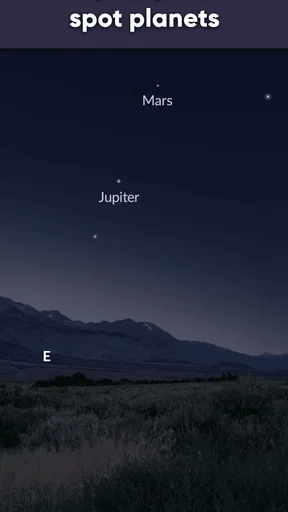
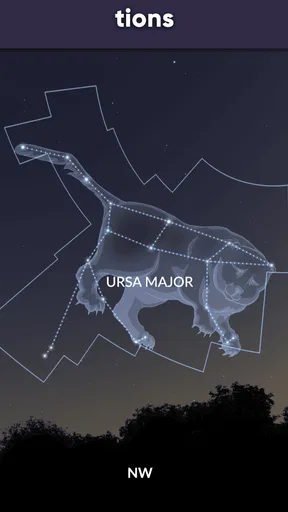
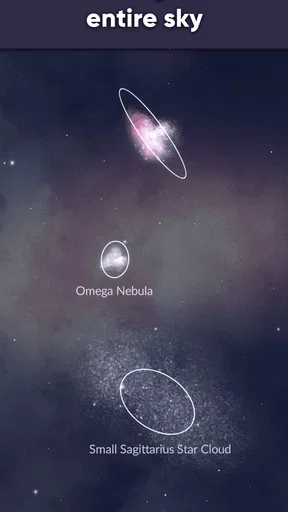
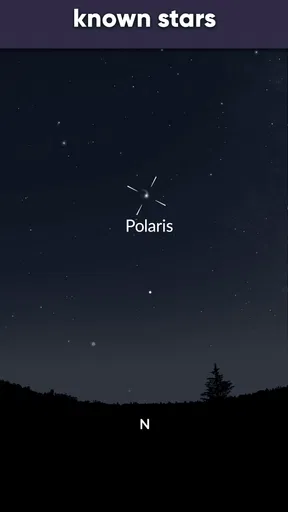
Sky Tonight offers a celestial map that’s jaw-droppingly detailed. By pointing your phone at the sky, you can see exactly what stars, planets, and constellations are hovering above you. The augmented reality feature is just pure magic. You’ll find yourself swiping and zooming, exploring constellations like Orion or the Big Dipper with ease.
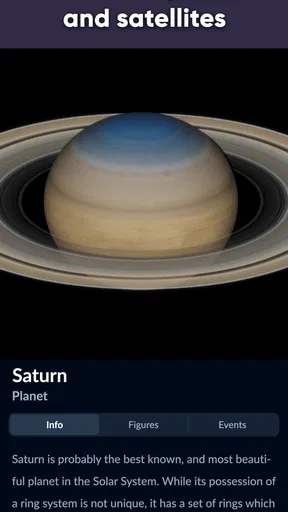
One of the standout features is the ability to tap on any celestial body to get detailed information. Whether it’s a star, planet, or even a distant galaxy, the app provides a treasure trove of facts. It’s like having a mini-encyclopedia of the cosmos right at your fingertips.
That tap-to-learn step is where this kind of guide differs from a static star chart. A printed chart can be easier to read at a glance and doesn’t compete with a glowing phone screen, but it cannot respond to a point of interest with an explanation. A general astronomy website can offer longer reading, yet it’s less convenient when I’m outside trying to identify one object. I’d use Sky Tonight to orient myself and satisfy a quick question, then turn to deeper reading later if the subject catches my attention.
Turning a Clear Evening into a Plan
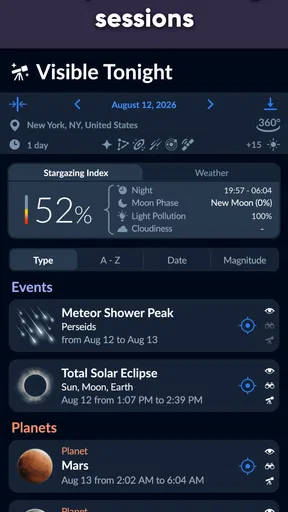
Imagine finishing dinner, noticing a clear patch of sky, and having only a short window before bedtime. I would open the map, look for a visible target, and check the event information before deciding whether it’s worth taking the family outside. If the goal is just to recognize a planet, a few minutes may be enough; if an event is involved, the app’s planning tools can help shape a longer outing. The useful outcome is not merely knowing what is overhead, but having a concrete reason to look up.
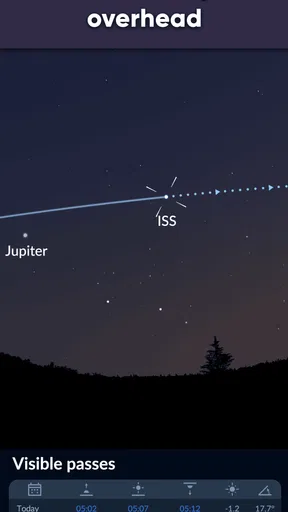
Sky Tonight doesn’t just stop at showing you the stars. It keeps you updated with upcoming celestial events such as meteor showers, eclipses, and planetary alignments. The app’s notification system ensures you never miss out on these cosmic spectacles. Imagine getting a gentle ping reminding you to look up and witness a meteor shower. How cool is that?
For those of you who love planning stargazing trips, the app provides weather forecasts and suggests the best time to view certain celestial events. It’s like having a personal assistant dedicated to making your sky-watching experience as enjoyable as possible.
I’d treat those planning cues as a starting point, not a promise that the view will be perfect. A forecast and a recommended time can help me choose when to go, but the actual experience still depends on what the sky and surroundings are like when I arrive. For a trip, I’d use the app to pick a target and timing, then bring a warm layer and leave room to adjust. That distinction matters: a guide can help make a plan, but it cannot make an overcast night clear.
Learning Without Turning It into Homework
This app isn’t just for stargazing enthusiasts; it’s also an educational tool. Whether you’re a student, a teacher, or just someone curious about the universe, Sky Tonight offers educational content that’s both informative and easy to digest. From learning about the phases of the moon to understanding the life cycle of stars, the app covers it all.
What’s more, it includes quizzes and challenges that make learning fun. You can test your knowledge and even compete with friends to see who’s the ultimate star-gazer. It’s a fantastic way to engage both kids and adults alike.
For learning, I’d use the map and information together rather than treating the quiz as the whole experience. A useful rhythm is to identify an object, read a little, then try to find it again without relying on the screen. That last step helps build familiarity with the actual sky. The app can make a first encounter less intimidating, but it works best when the phone is a stepping stone rather than the thing everyone watches all evening.
Where the Phone Helps—and Where It Gets in the Way
Phone-based sky maps have an unavoidable compromise: the same screen that makes identification easy can make dark-adapted viewing harder. I’d lower the screen’s brightness before stepping outside and use the map briefly, then put the phone away while looking at the sky. If your priority is an uninterrupted view through binoculars or a telescope, a dim red light or a paper chart may be a better companion than repeatedly checking a bright display.
There’s also a learning trade-off. A live map can answer “what is that?” quickly, but relying on it for every direction may keep you from learning the patterns yourself. I’d use it to confirm a few landmarks, then try to navigate between them with my own eyes. That makes the app more valuable over time, especially for beginners who want confidence rather than a permanent screen-led tour.
It is not the right choice for someone who mainly wants long-form astronomy reading, nor for someone expecting a phone to replace dedicated observing equipment. Its strength is the bridge between the sky overhead and concise reference information. If that bridge is what you need, the interactive format is more immediate than a book; if you already know how to locate objects and want detailed observing logs or telescope controls, a specialist tool may fit your routine better.
At the time of writing, the app is at version 2.4.0 and supports Android 7.0 or later. It is rated for Everyone, which makes it approachable for a shared family device, though younger children will still get more from it with an adult helping them connect the map to what they can see. Sky Tonight has a 4.7 average from around 76,000 ratings and has passed 5 million installs, signs that it has found a broad audience without making it the right fit for every stargazer.
Wrapping It Up
In a nutshell, Sky Tonight - Star Gazer Guide is a must-have app for anyone with even a passing interest in astronomy. Its user-friendly design, coupled with its wealth of features, makes it a standout in the world of stargazing apps. Whether you’re a seasoned astronomer or a curious newbie, this app will enrich your understanding of the night sky and deepen your appreciation for the universe.
So, next time you find yourself under a starry sky, let Sky Tonight be your guide. It’s like having the cosmos in your pocket, ready to reveal its secrets whenever you are. Happy stargazing!
My recommendation is strongest for curious beginners, parents who want an easy way to start a sky conversation, and anyone who often wonders what a bright point overhead might be. I’d skip it if what you need is a dedicated telescope-control setup or a screen-free observing session. For everyone in between, the best routine is simple: plan indoors, identify a couple of targets outside, read only what interests you, and then look up without the phone. That balance lets the app do its useful work without taking over the night.
Verdict
Strengths of Sky Tonight - Star Gazer Guide
- User-friendly interface for beginners.
- Real-time star tracking feature.
- Extensive star database included.
- Customizable sky view settings.
- Interactive learning tools available.
Limitations of Sky Tonight - Star Gazer Guide
- Requires internet for full features.
- Ads can be intrusive at times.
- Limited offline functionality.
- Occasional minor bugs.
- Battery consumption is high.
Other Releases by Vito Technology
View All
Star Walk 2 Plus: Sky Map View
Education4.5
Similar Picks in This Category
View All
Google Play Books & Audiobooks
Google LLC4.7

네이버 - NAVER
NAVER Corp.3.5

Wattpad - Read & Write Stories
Wattpad.com3.7

King James Bible - Verse+Audio
Ozion4.8

Bible Offline-KJV Holy Bible
Bíblia Offline4.9

Amazon Kindle: Reading App
Amazon Mobile LLC4.8
Frequently Asked Questions
What features does Sky Tonight offer for stargazing enthusiasts?
Sky Tonight is packed with features that cater to both amateur and professional stargazers. It includes real-time star maps, augmented reality for sky viewing, and detailed information on celestial events. Users can also customize their experience by setting notifications for upcoming astronomical events, ensuring they never miss a meteor shower or planetary alignment.
Is Sky Tonight suitable for beginners in astronomy?
Yes, Sky Tonight is designed to be user-friendly, making it ideal for beginners. The app provides an intuitive interface with easy-to-understand guides and tutorials. It also offers educational content that explains various celestial phenomena, making it accessible for users who are new to astronomy.
Does Sky Tonight require an internet connection to function?
Sky Tonight primarily works offline, which is perfect for remote stargazing without internet access. However, an internet connection is needed for updates, downloading additional data, and accessing certain features like real-time event notifications and community forums. This ensures the app remains up-to-date with the latest astronomical data.
How accurate is the augmented reality feature in Sky Tonight?
The augmented reality feature in Sky Tonight is highly accurate, utilizing your device's GPS, compass, and gyroscope. This ensures precise alignment with the night sky, allowing users to point their device and identify stars, planets, and constellations with ease. Regular updates help maintain this accuracy by refining the app's data.
Are there any in-app purchases or subscriptions required to use Sky Tonight?
Sky Tonight offers a free basic version with essential features, but some advanced features may require in-app purchases or a subscription. These might include access to detailed celestial event guides, enhanced real-time tracking, and exclusive educational content. Users can choose to upgrade based on their interest and level of engagement with astronomy.
